Accessibility Tools

Education employment inclusion

The Power of Presence

  • June 13, 2025
  • 2 min read
The Power of Presence

Dipak, a young boy with autism, studies at school in Karur, Tamilnadu. He often stayed silent, avoiding the classroom and struggling with the noise and confusion. He found tasks like holding a pencil or recognizing numbers extremely difficult. But behind him stood his mother, Rachana, determined not to give up.
When others didn’t understand, she stepped forward—working closely with special educator Gopal to support her son’s needs. Rachana began learning about autism, not as a professional, but as a mother who simply wanted to help her child.
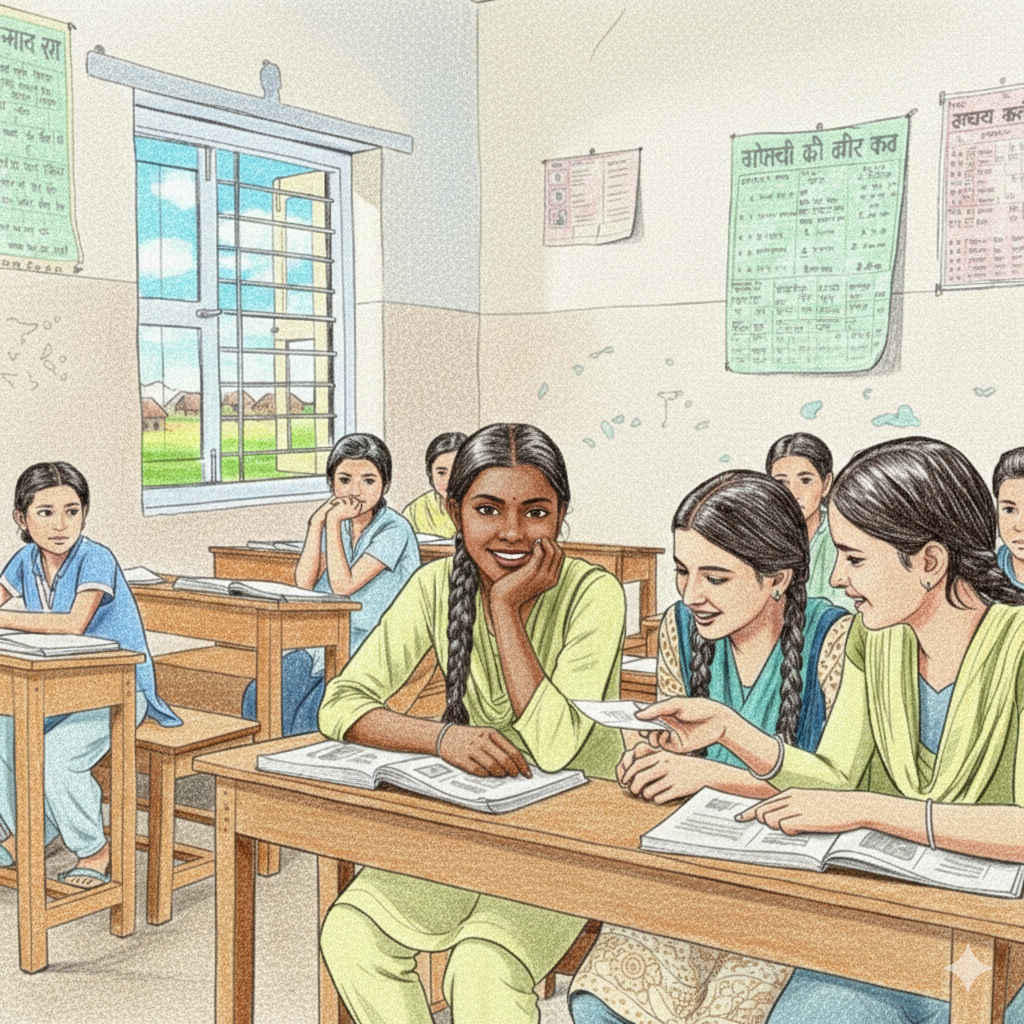
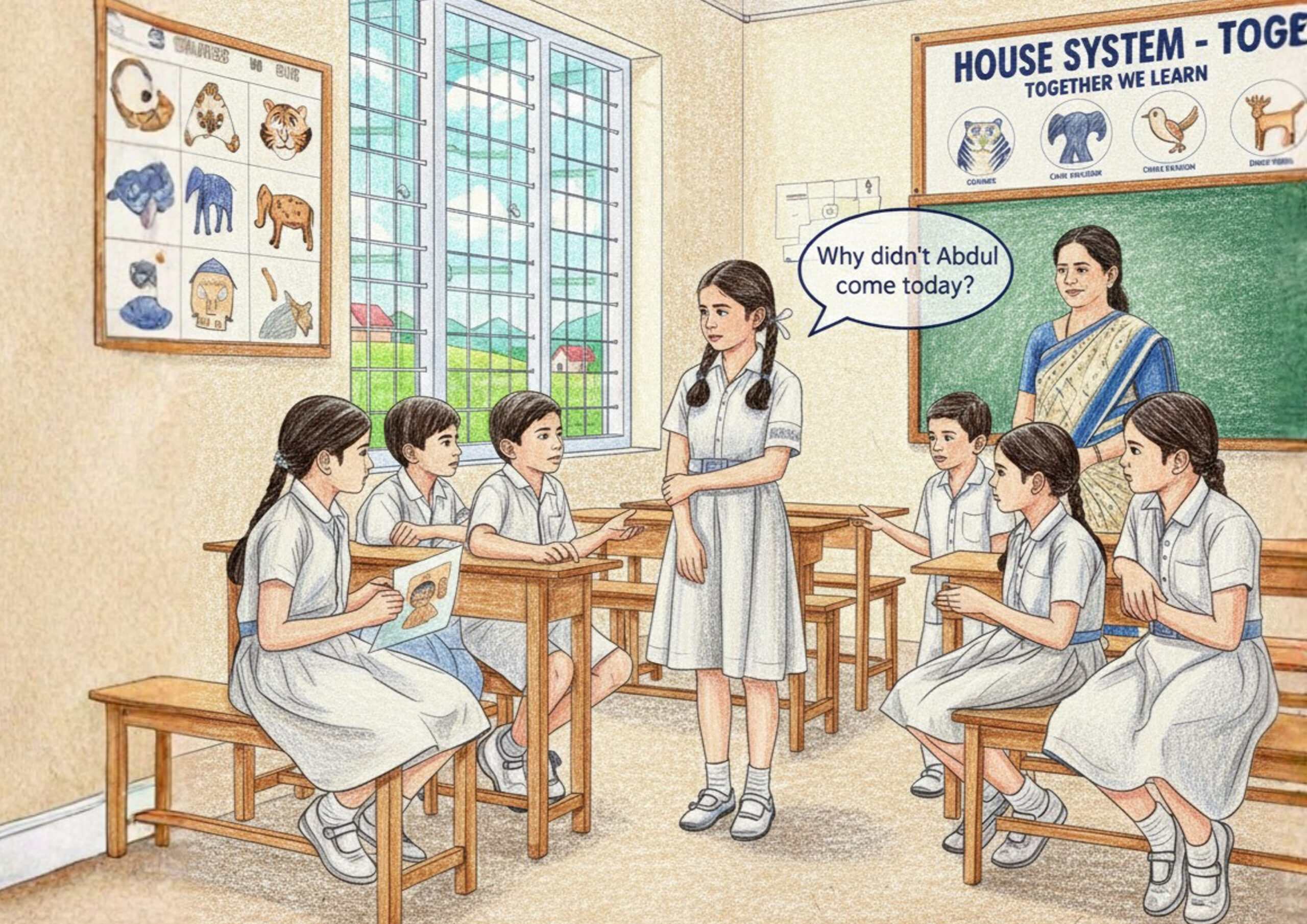
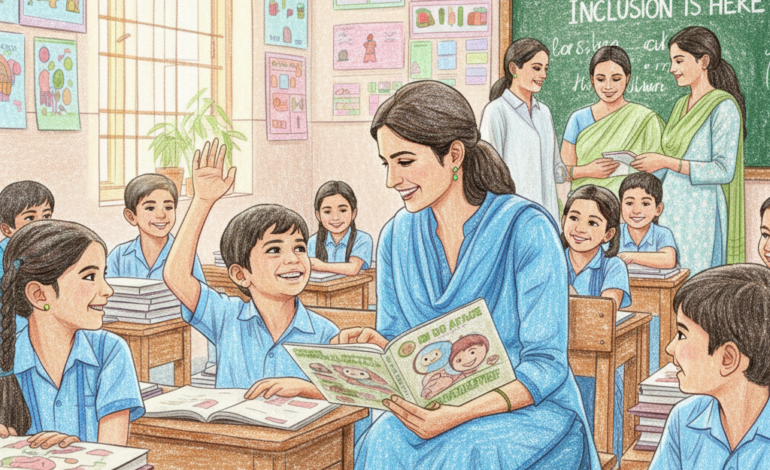
With permission from the headmaster and class teacher, Rachana began sitting beside her son during school hours. She made sure he was seated near the teacher, in a calm corner with good light. Slowly, they introduced simple sensory breaks—sand play, coloring, and walks in the school garden. These small adjustments brought comfort. His classmates, too, joined in with smiles and gentle support.
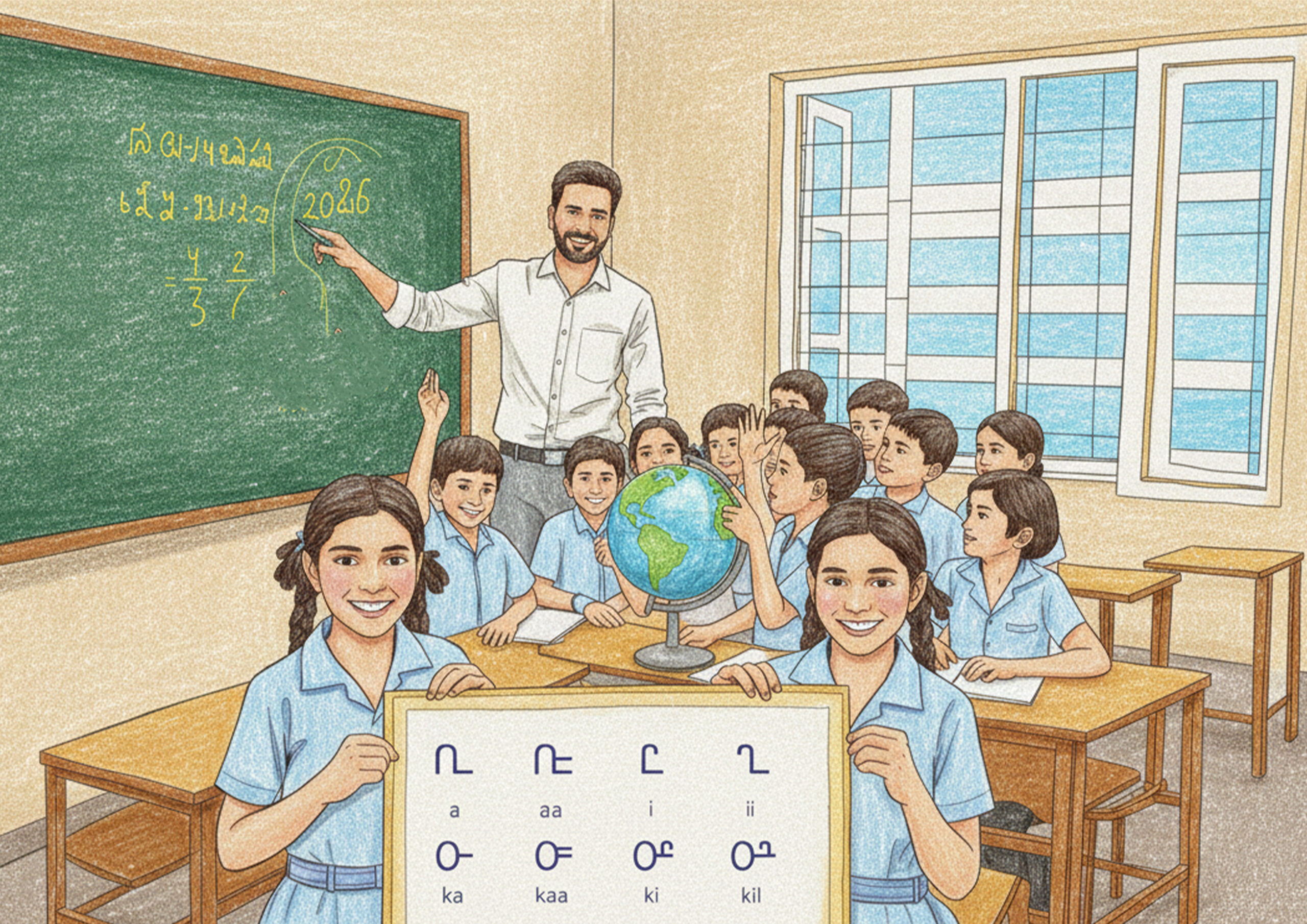
Dipak began to change. From a child who couldn’t sit still for even a few minutes, he now focuses for up to 30 minutes. He can match letters, sequence numbers up to 30, and complete copywriting tasks across subjects. When stuck, he quietly raises his hand for help—a small act, but a big sign of growth.
But Rachana’s impact didn’t stop with her son. She started guiding other parents, sharing what she learned about government schemes, therapies, and scholarships. Because of her, 10 parents across Karur blocks have accessed disability scholarships. Her courage has inspired others to come forward, ask questions, and get more involved in their children’s education.


What We Can Learn:

  • Parents are powerful allies: Rachana didn’t wait for someone else—she became part of the classroom solution.
  • Inclusion builds community: With the right support, teachers, parents, and peers can all play a role.
  • Share to include more: Rachana didn’t keep what she learned to herself—she shared it freely, building a circle of support for other families walking a similar path


Share Via
About Author

Sol's Arc

Sol’s ARC is a registered NGO that has been working in the space of inclusion for the past 20 years. We work with the most marginalised group of individuals, those who have disabilities, mental illness, critical illness or are violence affected to ensure they have equitable access to education and economic opportunities. We work towards our vision- Every Child Learns, Every Adult Earns.

1 Comment

  • What a beautiful and moving story. Rachana’s journey is a reminder that change doesn’t always come from systems it often begins with one person choosing to show up. Her quiet determination, combined with small but meaningful changes in the classroom, gave Dipak not just support but dignity. Truly inspiring to see how her courage also empowered other parents to believe in the power of presence. Thank you for sharing this story it fills the gap between policy and real-life impact.

Leave a Reply to Ketaki Tarde Cancel reply

Your email address will not be published. Required fields are marked *