The Day Abdul Was Missed

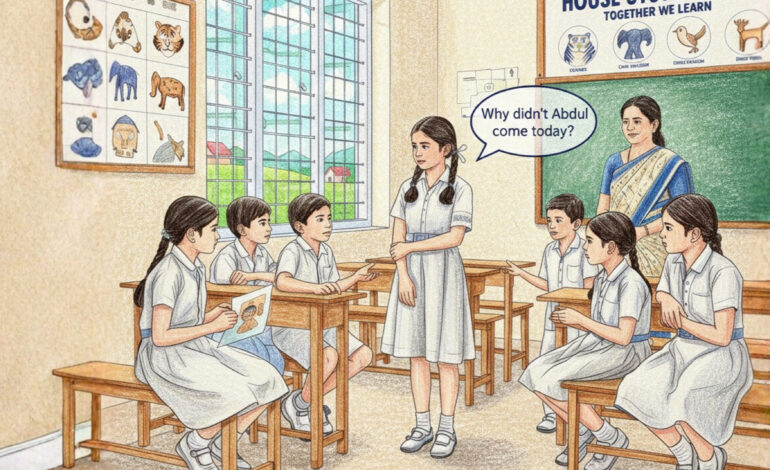
In rural government schools, student absence is common and often passes quietly. ASER data shows that about 24–28% of rural government school students are absent on any given day. Many of these students attend irregularly, speak little in class, and are rarely noticed when they are not present. Teachers worry—not only about missed lessons, but about whether the child still feels connected to school. The introduction of the House System began to change this in a quiet but powerful way. Students were randomly grouped into Houses, creating smaller communities that cut across existing social and academic divisions. Within each House, students were given shared responsibilities and leadership roles.
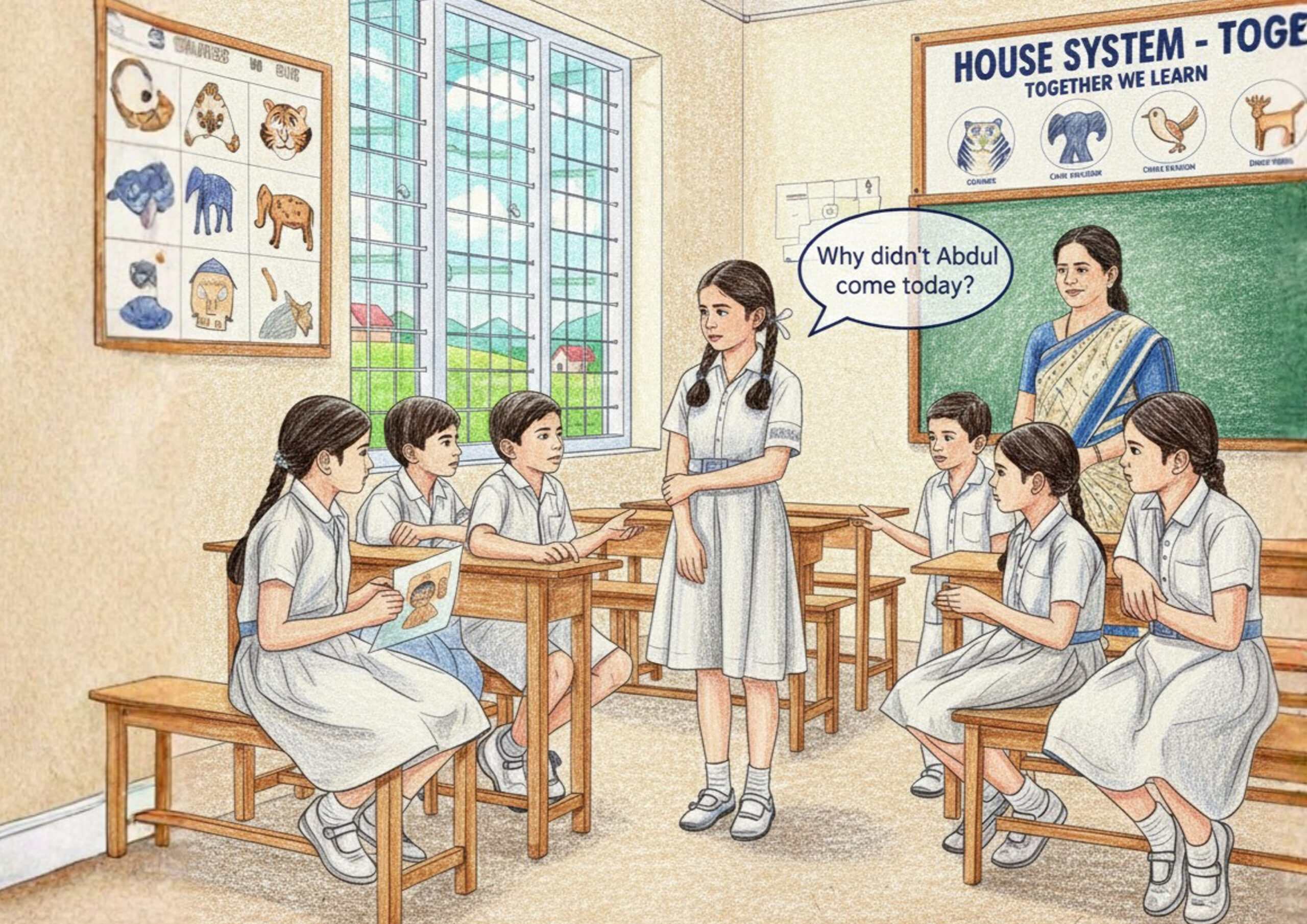
Soon, something unexpected happened. When a student was absent, House members started asking questions: “Why didn’t they come today?” “Should we check with them?” House leaders began reminding peers, collecting information, and checking in—not because they were told to, but because the House felt incomplete without everyone present. Over time, attendance improved. But more importantly, relationships did. Students who were earlier on the margins were now seen. A missed day no longer passed silently. One teacher reflected, “Earlier, we followed up on absentees. Now, students do it themselves. They don’t want anyone from their House to be left out.”
In Tamil Nadu, nearly 1.5 lakh students stepped into leadership roles through the House System across 37,500 government schools—carrying one simple responsibility: to notice, to act, and to ensure no one in their House is left behind.
What We Can Learn:
– Belonging improves attendance: Children return when they feel noticed and missed.
– Small communities matter: Houses create safer, stronger peer connections.
– Leadership can be shared: Student roles build responsibility and care.
– Inclusion is daily practice: Simple actions—asking, checking, welcoming—make inclusion real.
(This story is collected and shared by the Vidhya Vidhai Foundation)