Inclusive Education in India — Complete Guide

Introduction
Sol’s Arc is an NGO in India focused on inclusive education and curriculum development for diverse learners. This guide explains what inclusive education means in the Indian context, why it matters, and how schools, policymakers, and communities can make it a reality.
What is Inclusive Education?
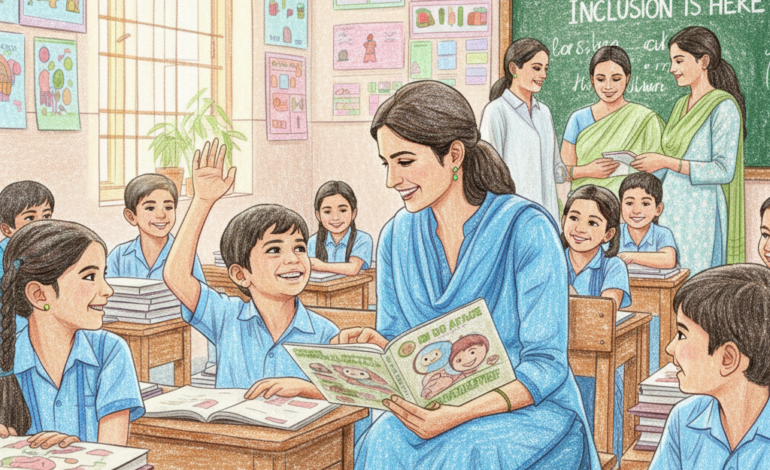
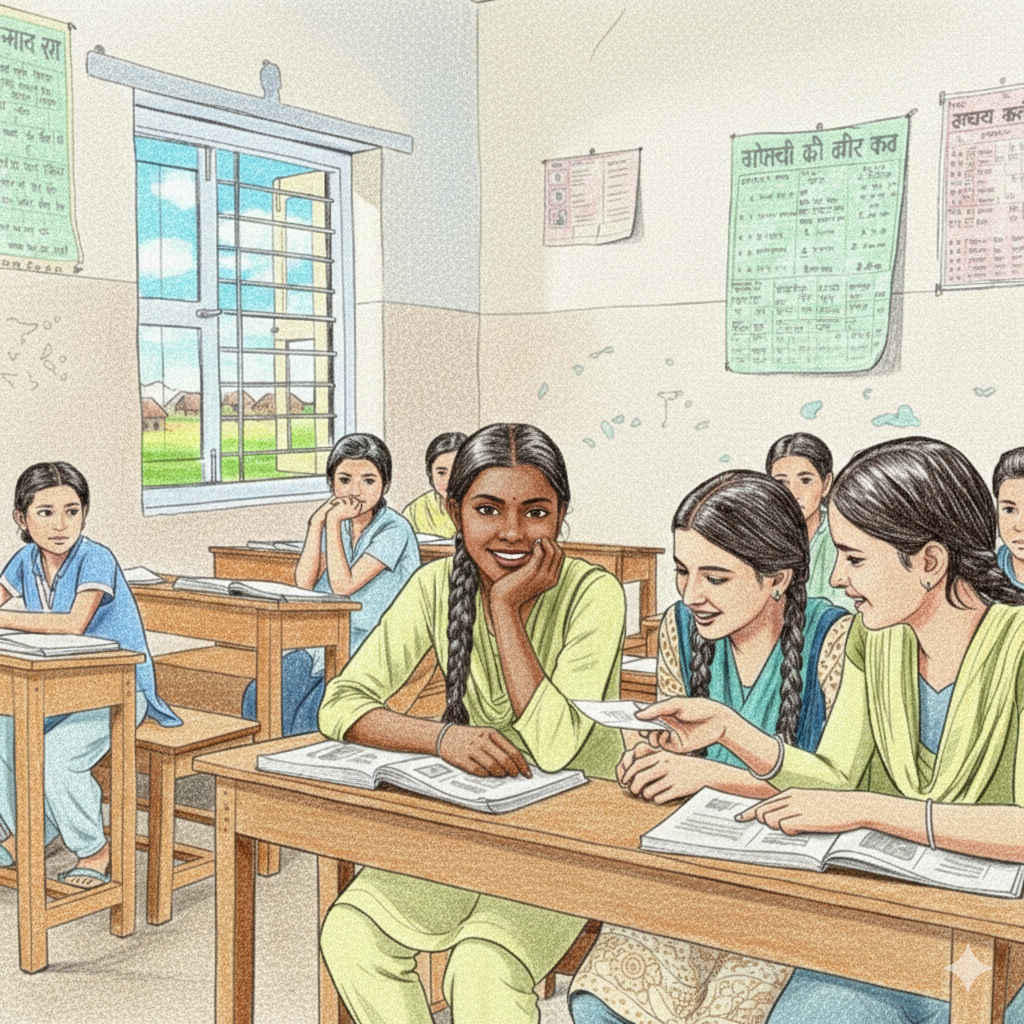
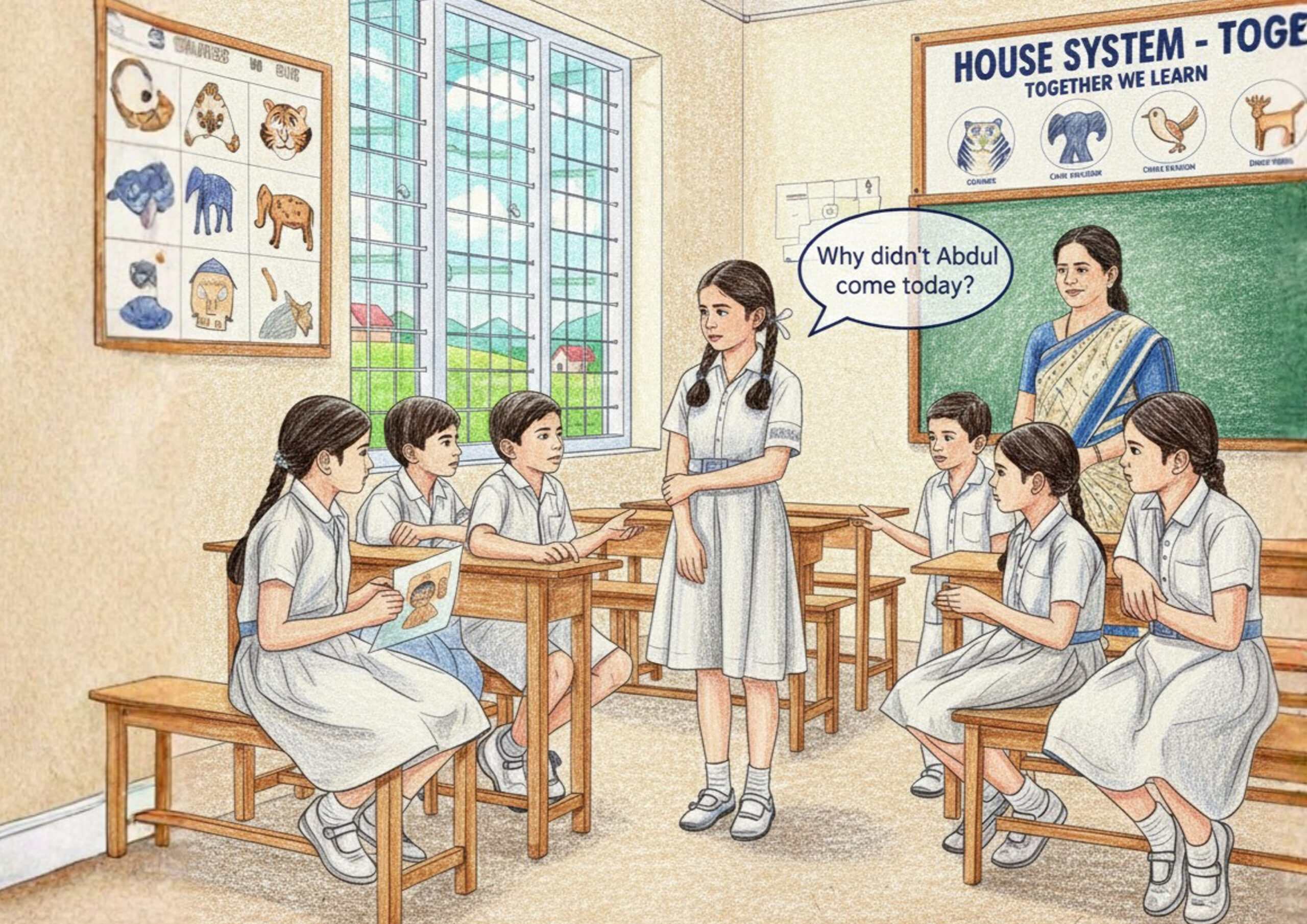
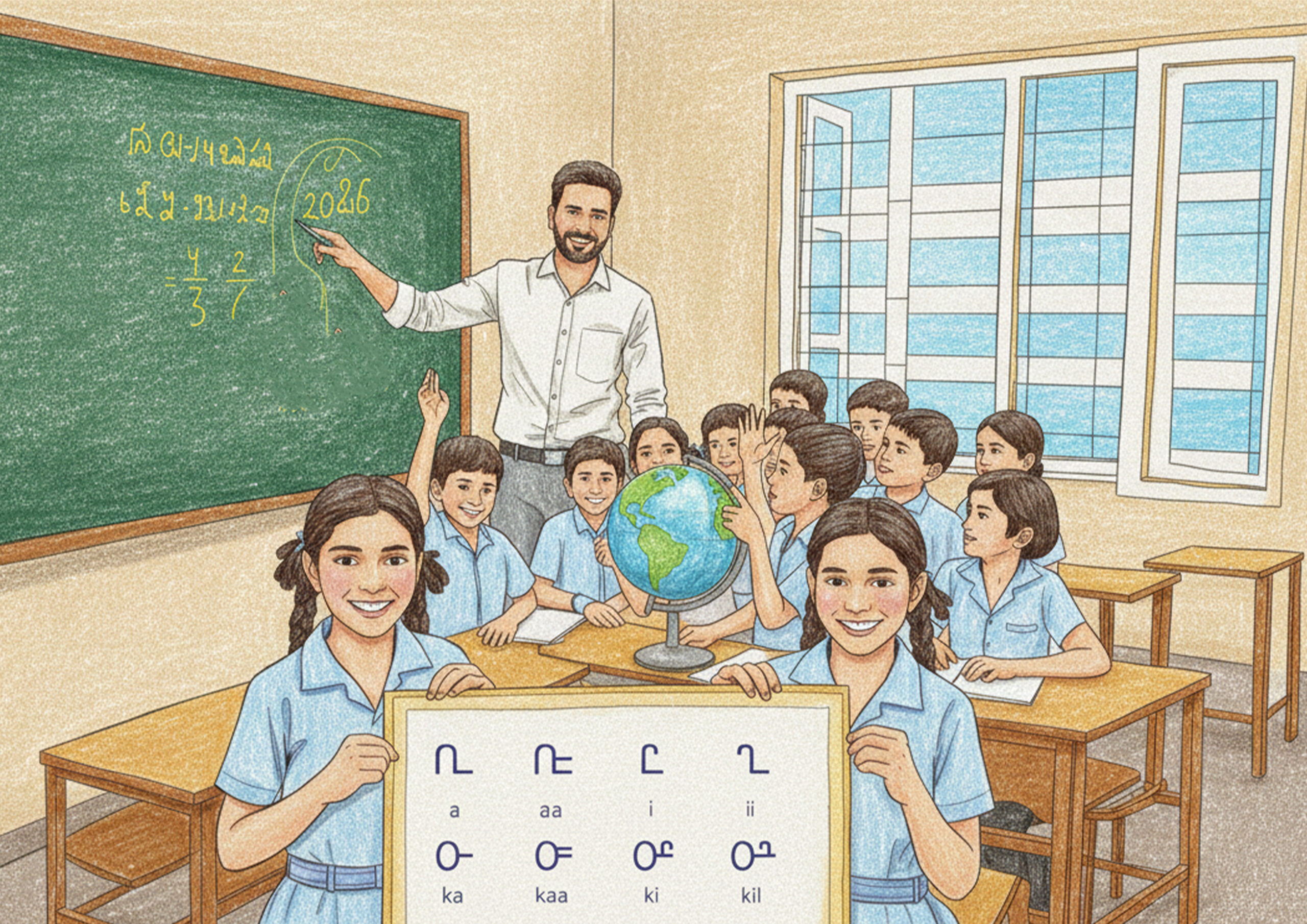
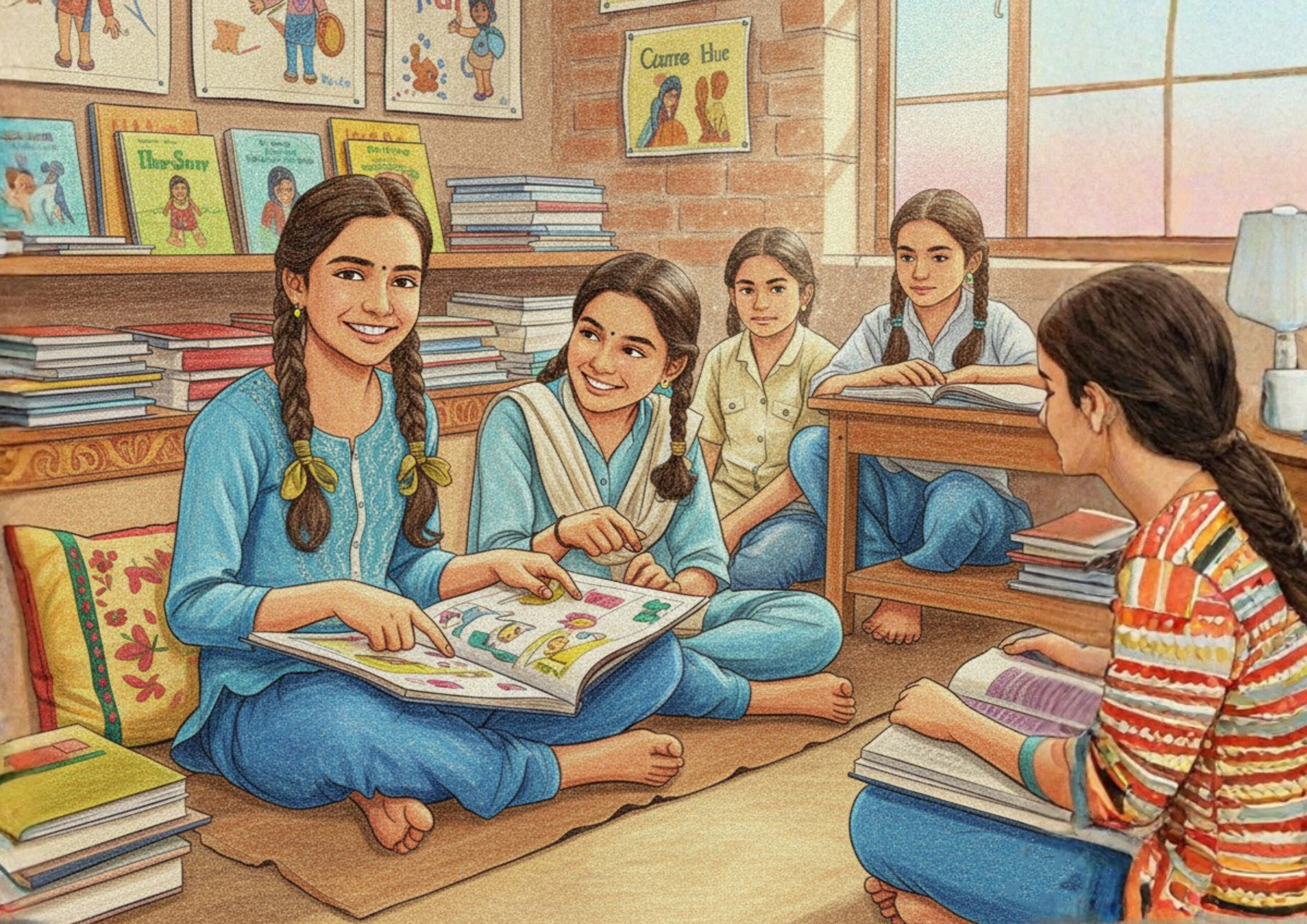
Inclusive education ensures that all learners, regardless of ability, gender, or socio-economic background, learn together in the same classroom with equal opportunities. It is supported by global frameworks such as the UN Convention on the Rights of Persons with Disabilities and national policies like the Rights of Persons with Disabilities Act, 2016.
Why Inclusive Education Matters in India
- Addresses educational equity and access
- Improves social integration and reduces stigma
- Enhances learning outcomes for both students with and without disabilities
- Supports India’s commitment to the Sustainable Development Goals (SDG 4)
Current Policy Framework
Inclusive education in India is guided by:
- National Education Policy (NEP) 2020 — Emphasises equity and access for all learners
- RPWD Act 2016 — Mandates reasonable accommodations in schools
- Samagra Shiksha Abhiyan — Funds inclusive classrooms and teacher training
Key Benefits
- Higher academic achievement
- Improved peer relationships
- Greater self-confidence and independence
- Teacher skill enhancement through differentiated instruction
Barriers to Implementation
- Lack of trained teachers
- Infrastructure gaps in rural areas
- Limited community awareness
- Resource constraints in low-income schools
Role of Technology
- Assistive learning devices
- Accessible digital content
- Teacher support tools for lesson adaptation
NEP 2020 and Inclusive Education
The NEP’s emphasis on universal access and flexible curricula creates an opportunity to make inclusivity the norm in all Indian classrooms.
How Sol’s ARC Contributes
Sol’s Arc develops adaptive curricula and trains educators to integrate inclusive practices in mainstream classrooms. Our work bridges the policy-practice gap through evidence-based solutions.
Key Takeaways
- Inclusive education is both a moral and policy priority in India
- Barriers can be addressed with trained educators, infrastructure, and technology
- Collaboration between NGOs, government, and schools is essential
Frequently Asked Questions (FAQ)
Q1: Is inclusive education mandatory in India?
Yes, under the RPWD Act 2016, schools must provide reasonable accommodations.
Q2: How can teachers adapt lessons for inclusive classrooms?
Through differentiated instruction, use of assistive technology, and collaboration with special educators.
Learn more about our curriculum development programs and training workshops. [Contact Sol’s ARC Today]