More Than Just a Meal
Sol's Arc
- June 13, 2025
- 2 min read
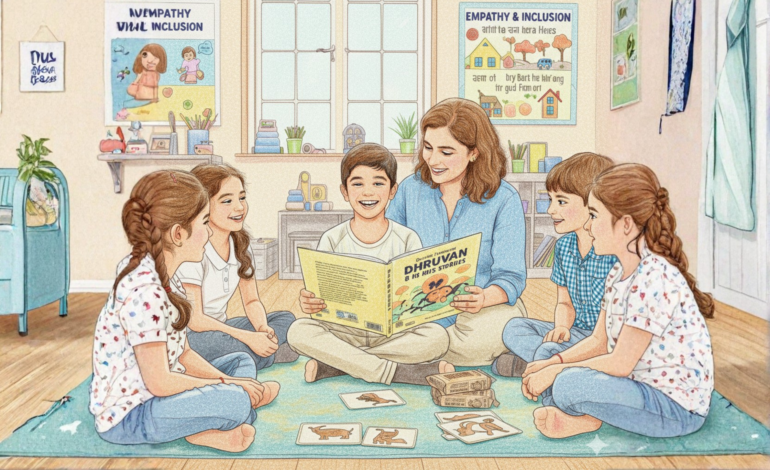
Dhruvan, a Class V student and visual learner, lived with his father after his parents separated. His father, unemployed and emotionally distant, could not provide even basic needs. Dhruvan often came to school hungry, looked weak, and stayed withdrawn. He had no one to talk to at home and rarely interacted with peers.
Noticing his sadness and isolation, the headmistress gently engaged with him. When the father didn’t cooperate, she connected with the child’s aunt and learned the full extent of the family’s challenges. With her support and help from other parents, she ensured the child had food after school and on weekends. Slowly, Dhruvan began to feel safe and cared for.
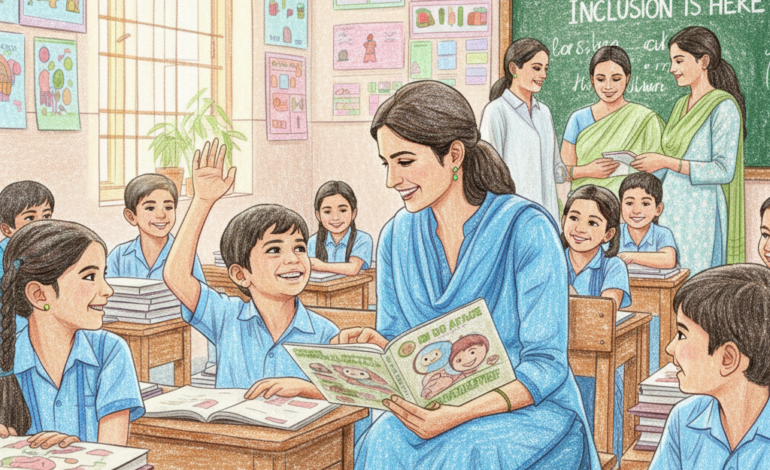
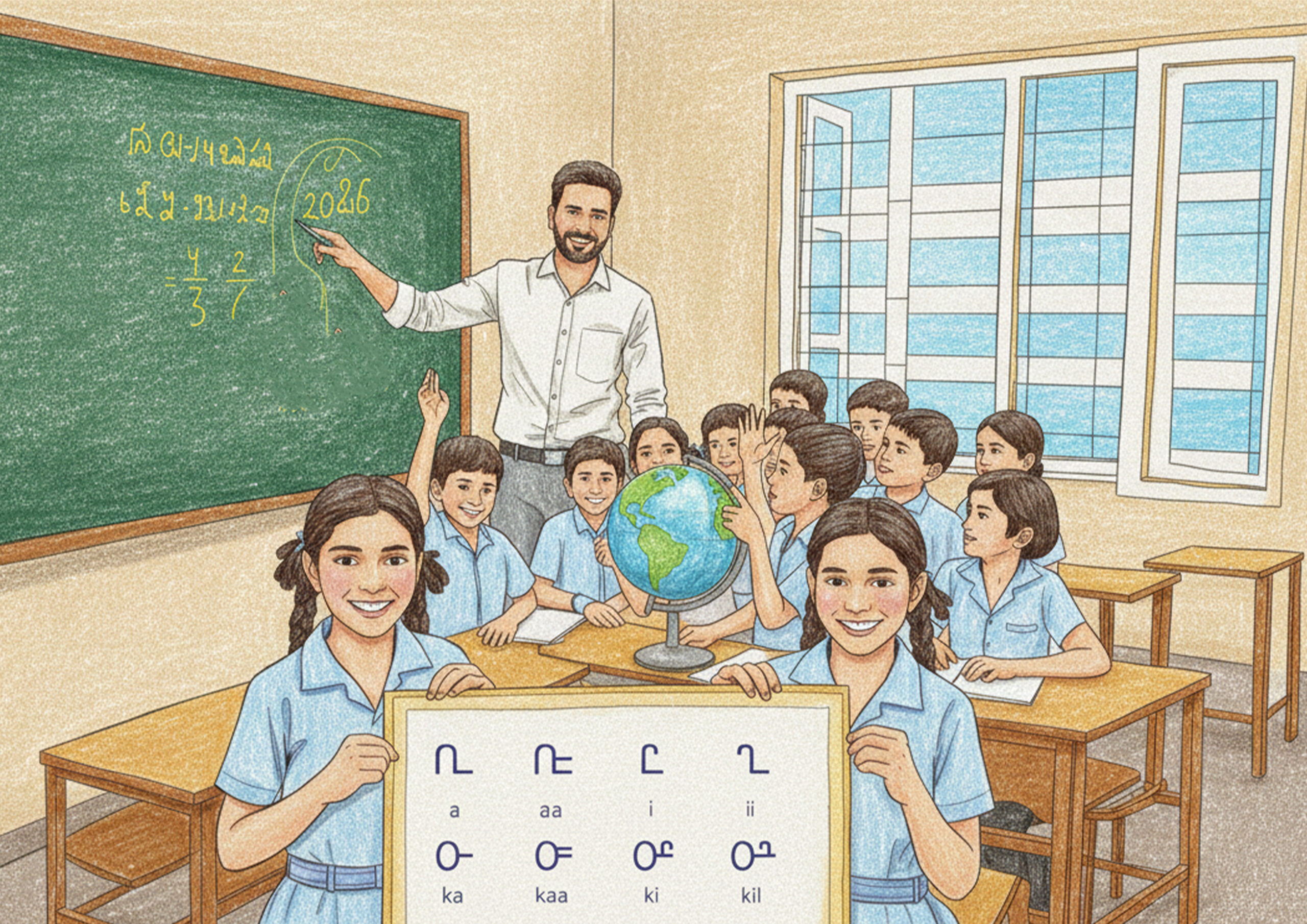
Academically, he struggled with reading and writing. Using multi-sensory methods—air writing, flashcards, and object-based learning – along with patient guidance, she sparked his interest. He gradually learned to recognize letters, numbers, and write his name. Early morning sessions helped reinforce learning.
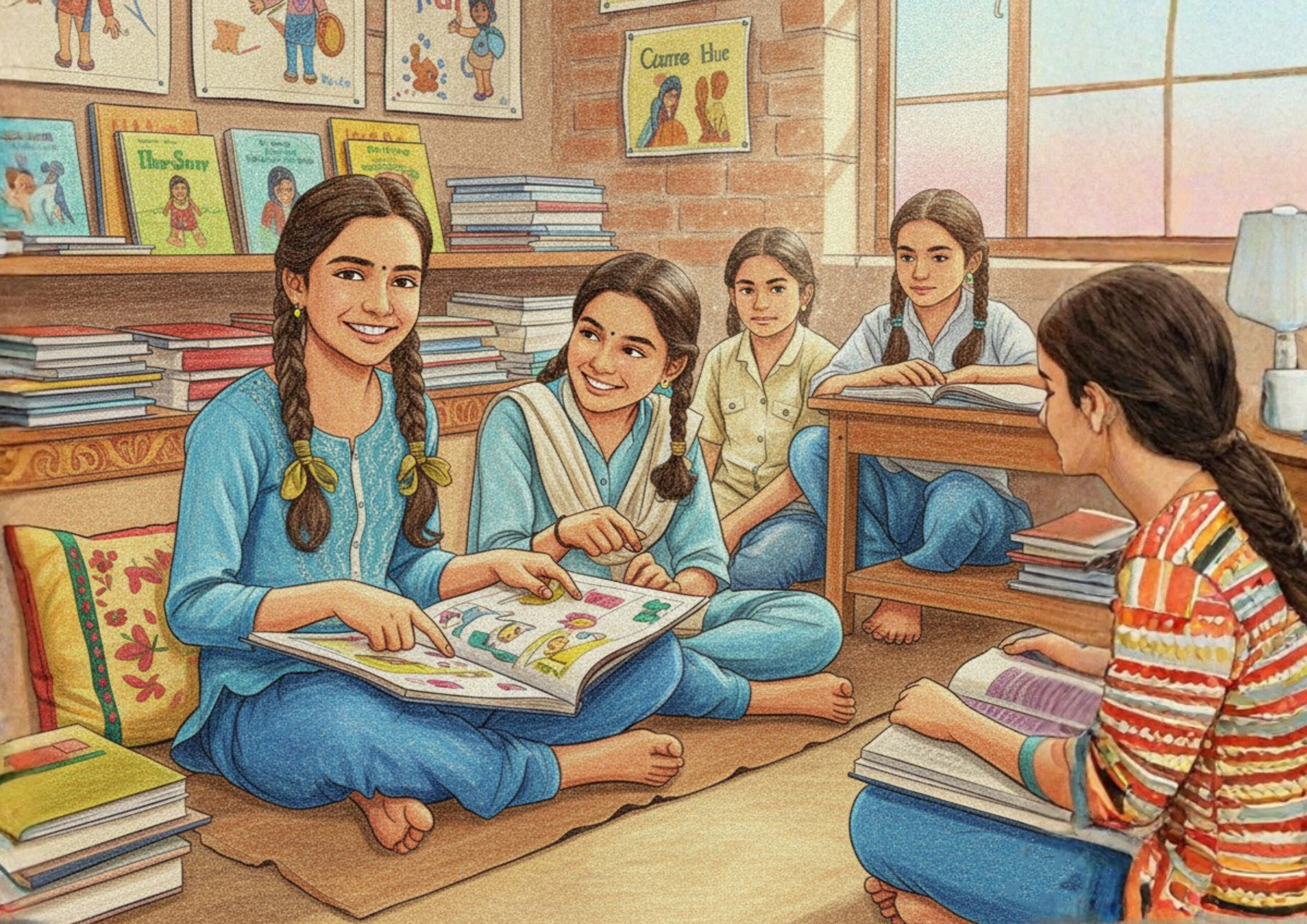
Socially, Dhruvan avoided classmates and sometimes hit others when overwhelmed. The teacher involved him in games, gave him responsibilities, and sensitized peers to his needs. Over time, he began forming friendships, participating in class, and expressing his feelings.
As he prepared to move to middle school, the headmistress connected with the new school to ensure a smooth transition, sharing his learning needs and emotional background. His sister’s presence at the school was seen as an added support.
What We Can Learn:
- Start with what’s around you: Small gestures and everyday materials can make a difference.
- Stay steady: Daily check-ins helped build a safe space.
- Bring others in: Families, peers, and staff can create a strong support circle.
- Let care lead: Relationships often open doors that lessons can’t.
- Hold on to belief: Even small progress tells us what’s possible.