From Silence to Smiles

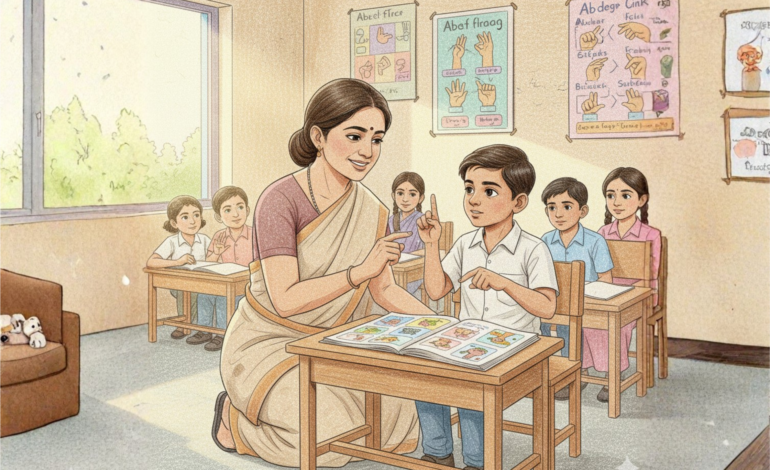
Sometimes inclusion starts with a question whispered in uncertainty. “I want to teach the child, but I do not know how.”
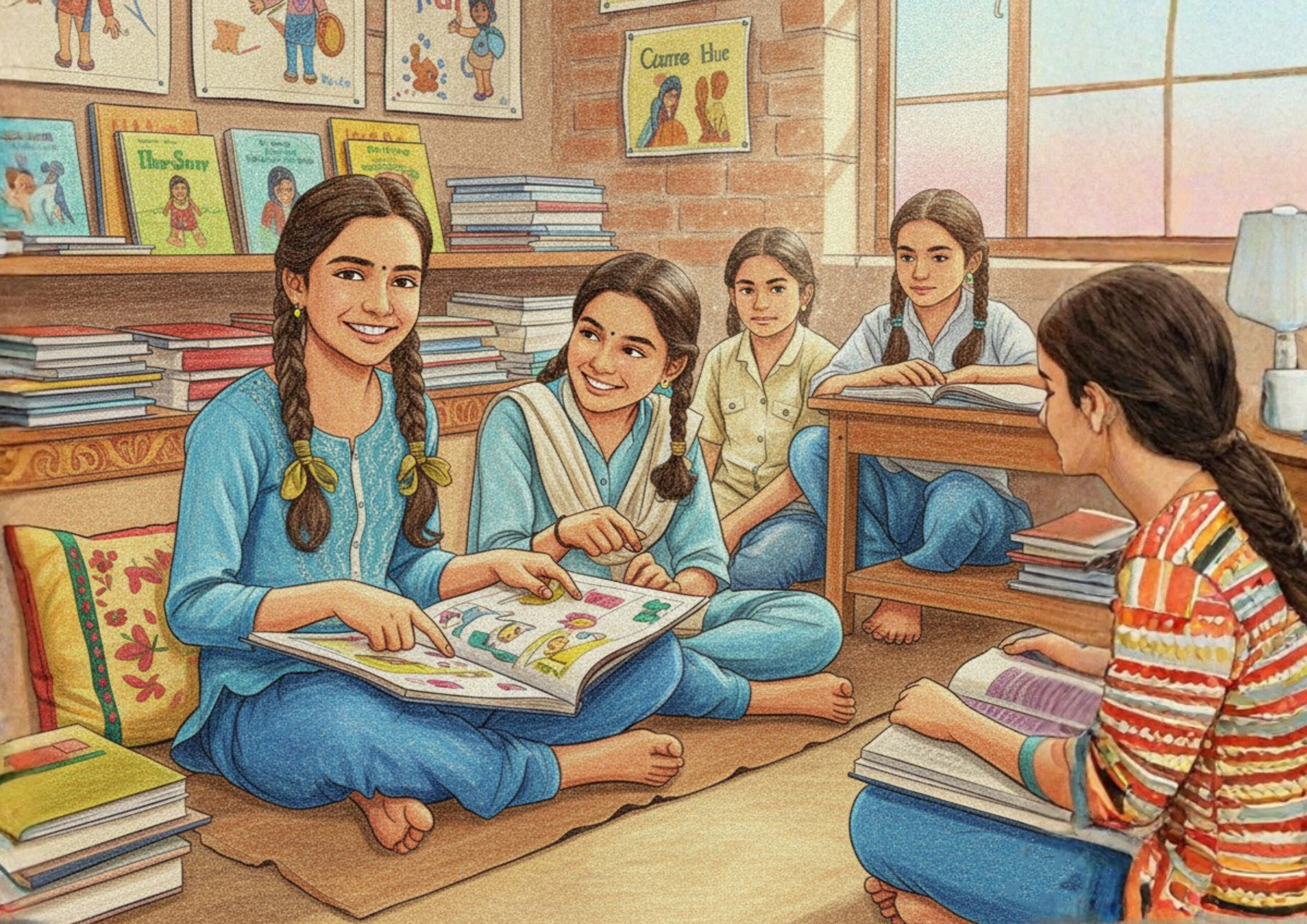
Mrs Sharma teaches in a small school in Marwa, Uttar Pradesh. One of her students, a young child with a hearing impairment, often sat silently in class, unable to follow lessons or join activities. She watched the child struggle, she felt responsible, and she also felt stuck. She wanted to help, she simply did not know where to begin.
When the field team visited her school, she shared her concern openly. That honesty became the turning point. The team introduced her to a simple workbook that offered strategies for supporting children with different learning needs. They suggested using pictures and hand actions, seating the child close enough to see her face clearly, and using visual explanations whenever possible.
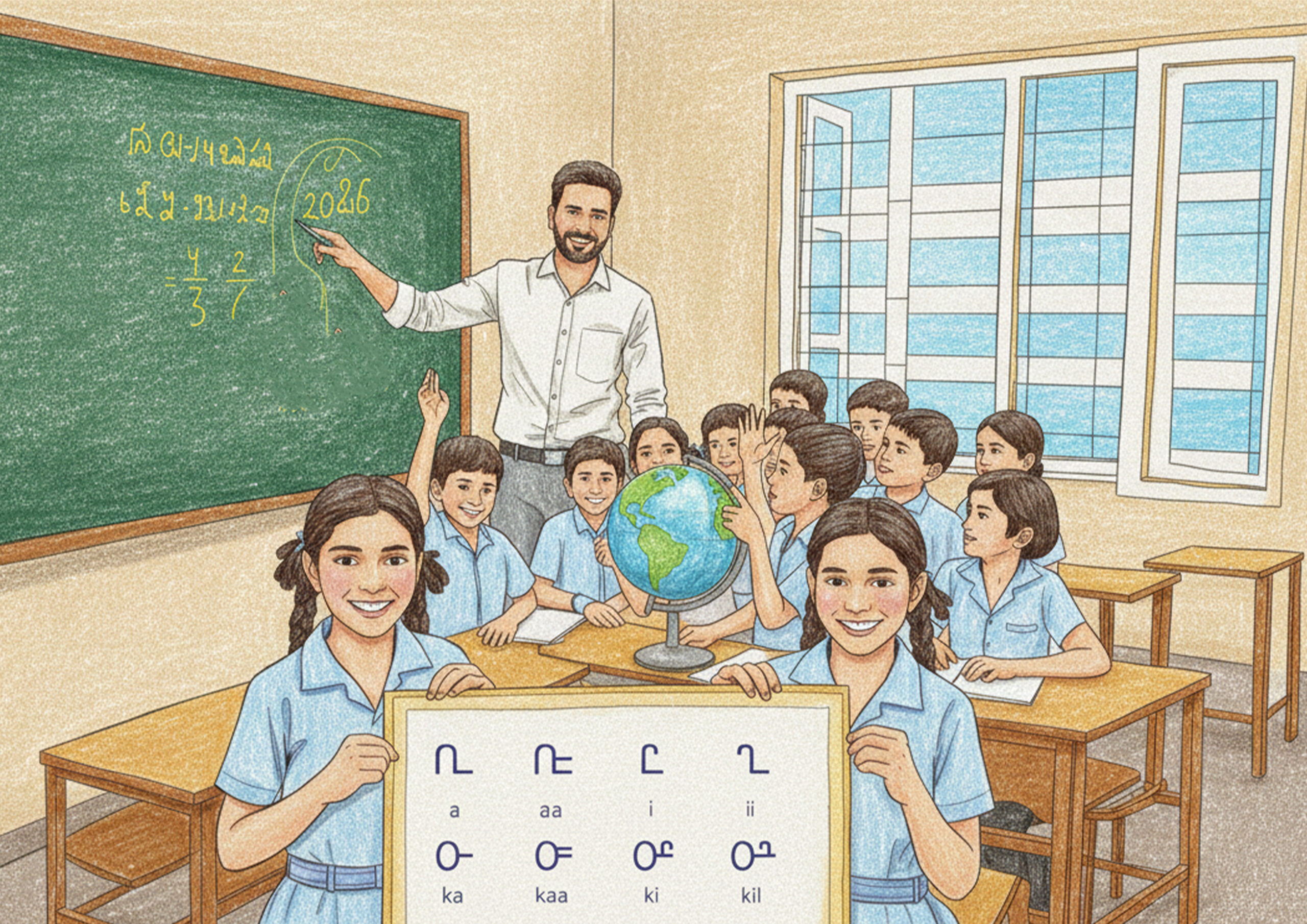
She took every suggestion seriously. She began using pictures and gestures in all her lessons. She searched for YouTube videos that explained concepts visually. She rearranged the classroom so the child could see her and the board without strain. None of these steps required new equipment, only intention and thought.
Slowly, the change became visible. The child began responding. Participation increased. Mrs Sharma felt her own confidence grow. She realised that inclusion was not something distant or complicated. It was something she could build with small, steady choices.
Her classroom became a place where the child could learn, and she became a teacher who trusted her ability to reach every student.
What This Teaches Us
- Start with what you already have.
Simple tools, clear visuals, thoughtful seating and patient repetition can shift a child from withdrawal to participation. - Ask for guidance when something is not working.
Progress began the moment Mrs. Sharma voiced her concern instead of hiding it. - Observe and adjust.
She tried one idea, watched how the child responded, then refined her approach. - Believe that every child can learn.
Her belief was the anchor. The methods followed because the belief came first.