Some forms of inclusion don’t begin in classrooms. They begin in the quiet persistence of someone who refuses to let a child be left behind.
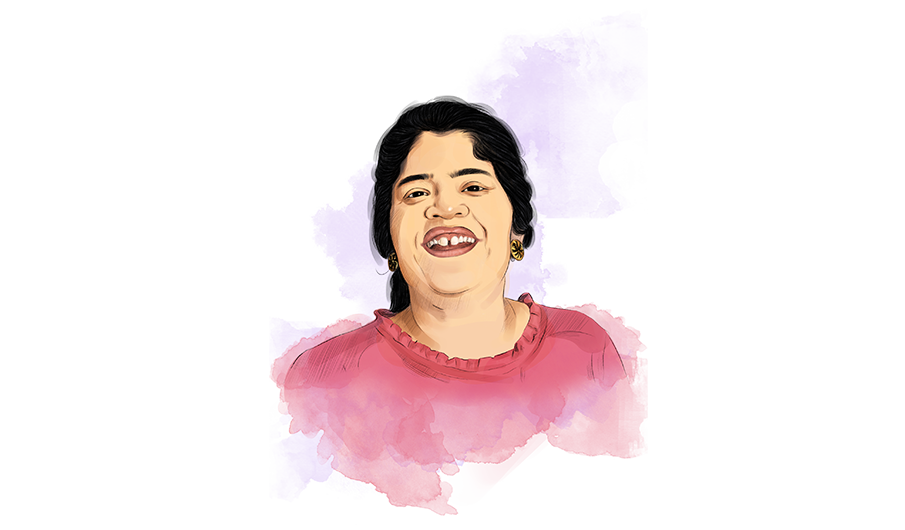
Suhana, a Class 5 student, lives with an intellectual disability. Her Headmaster, Mr. Om Prakash Verma, had been following up with her parents for weeks, gently explaining how a disability certificate could open doors to the support Suhana needed like learning aids, therapy, transport allowance, even a disability pension.
But her parents didn’t seem convinced. They were unsure, hesitant, and overwhelmed by the idea of traveling for documentation.
Then came an opportunity — a disability assessment camp scheduled in another block, 17 kilometers away. Mr. Verma knew this was Suhana’s chance. He arranged to take her himself. But when they arrived, another challenge surfaced. The doctors explained they needed Suhana’s parents present to describe her behavior and needs.
He waited. An hour passed, then another. By 2 p.m., there was still no sign of her parents. Many would have stopped there. Mr. Verma didn’t.
Determined not to let this opportunity slip away, he sent another teacher to Suhana’s home, gave him money for transport, and asked him to bring at least one parent to the camp. Finally, Suhana’s father arrived, and the assessment was completed.
That day, Suhana received her disability certificate — a simple piece of paper that now unlocks vital support, access, and recognition of her rights.
Mr. Verma’s persistence may have seemed small in the moment, but for Suhana, it changed everything. His belief that “no child should lose out because of paperwork” turned inclusion from intention into action.
What We Can Learn from Mr. Verma’s Story
1. Guide families patiently.
Many parents are unaware of how documentation opens access to essential support. Gentle, consistent guidance matters.
2. School leaders play a crucial role.
Headmasters and teachers are often the bridge between families and the systems designed to help them.
3. Persistence creates change.
Inclusion isn’t always about big programs. Sometimes it’s about one person who refuses to give up — and ensures a child gets what they need.
4. Inclusion is everyone’s job.
Administrators, teachers, and families all have a part to play. Change begins when one person takes responsibility to make the system work for a child.